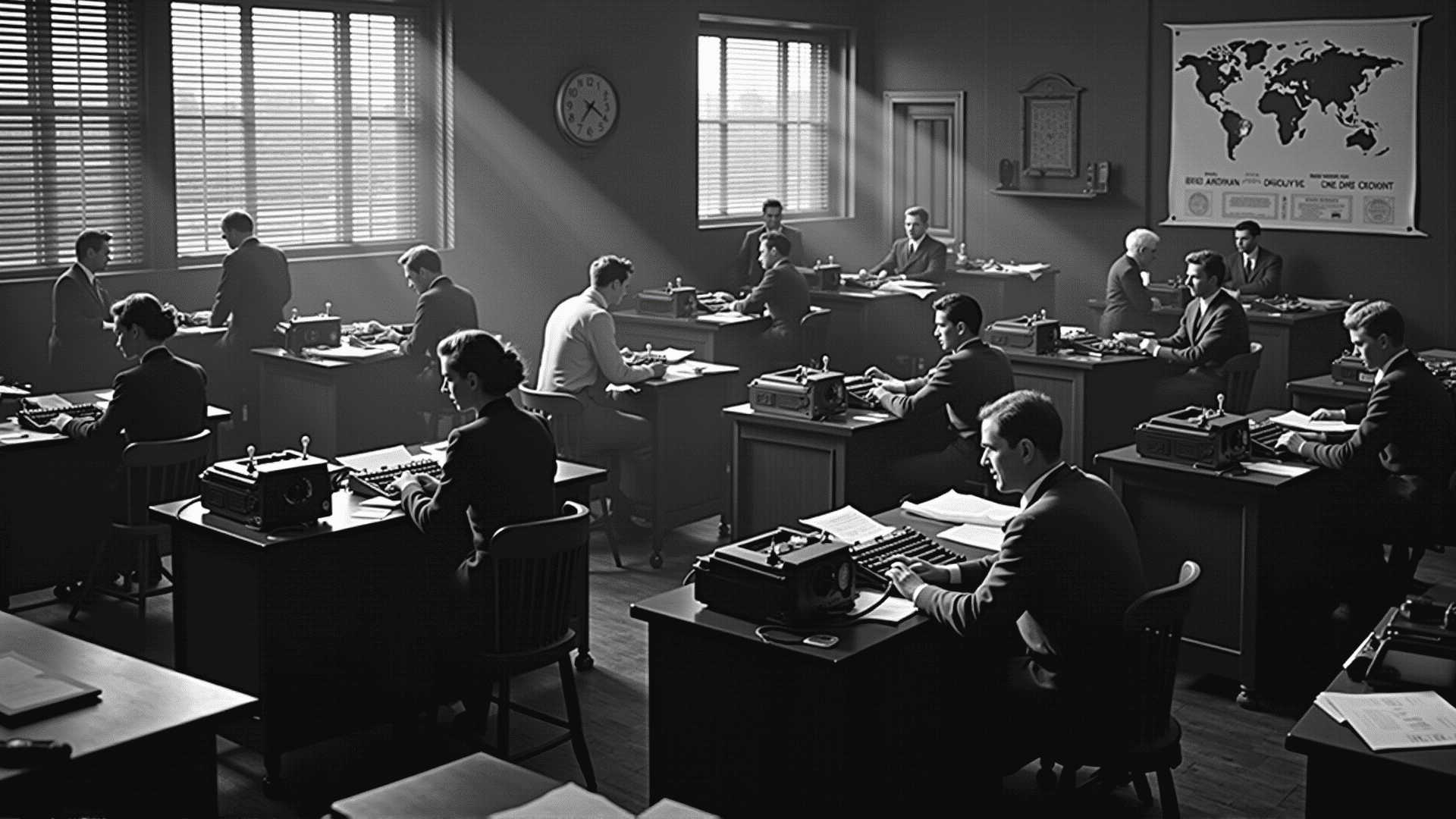
Throughout history, the role of media during periods of conflict has been pivotal in shaping both public perception and governmental decisions. From the printed press of earlier centuries to today's digital platforms, the impact of reporting on wartime events has consistently held significant power.
During World War I, newspapers played a crucial role. Information was primarily disseminated through print, with many publications providing detailed accounts from the front lines. These reports had a profound effect on public sentiment, fostering unity and sometimes stoking fervor for the war effort. The portrayal of enemy forces often influenced public support and led to changes in recruitment strategies and resource allocation by governments.
The advent of radio and television during World War II introduced more immediate forms of reporting. Broadcasts brought the sounds and sights of war into homes, creating a more intimate and visceral connection for civilians. Iconic figures like broadcaster Edward R. Murrow helped personalize distant battles, further cementing the role of media in influencing national spirit and supporting policy decisions regarding military strategies.
In the Vietnam War era, media influence took on a new dimension. For the first time, graphic images and uncensored reports were regularly broadcasted, highlighting the raw reality of conflict. This coverage played a pivotal role in turning public opinion, eventually contributing to a significant shift in U.S. foreign policy. The protests and debates spurred by media coverage of Vietnam were emblematic of the era and illustrated the potential for media to challenge and hold governments accountable.
Fast forwarding to more recent conflicts in the Middle East, digital platforms and 24-hour news channels have amplified the speed and reach of information. Social media, in particular, has transformed how conflict stories are told and consumed. Real-time updates and user-generated content have provided numerous perspectives, often bypassing traditional media gatekeepers. This democratization of news has at times contributed to rapid mobilization of both support and dissent, affecting policy decisions in real-time.
However, the increased volume of information has also led to challenges such as the spread of misinformation. The blurred line between fact and opinion can shape narratives in complex ways, influencing both domestic attitudes and international relations.
The historical trajectory of media's influence during wartime underscores its crucial role in not only shaping public opinion but also in influencing policy and strategic decisions. As media continues to evolve, its ability to impact wartime discourse and outcomes remains a significant factor in the geopolitical landscape.